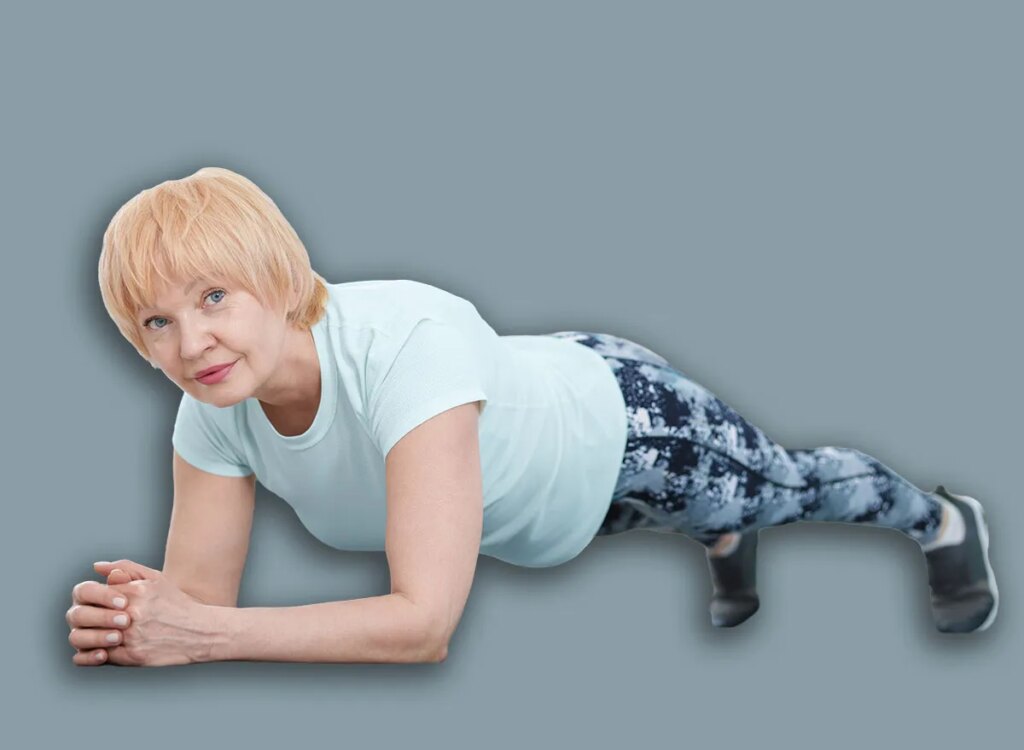
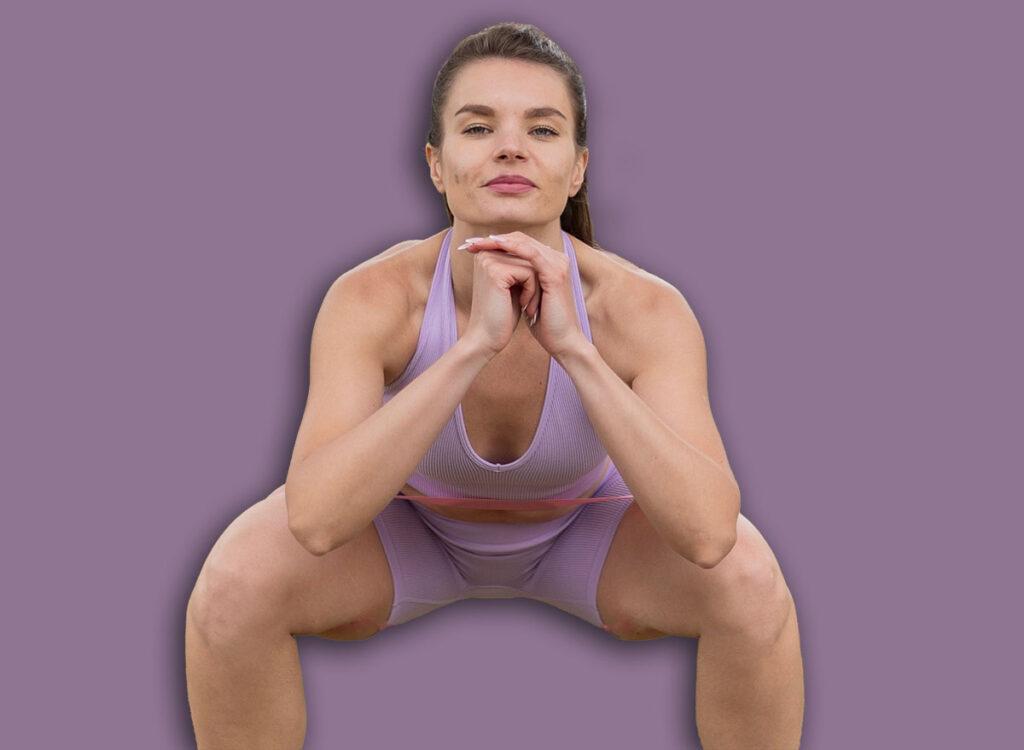
Are you able to hang a squat for 60 seconds? After 50, that is the benchmark.
After 50, measuring your power is not about how a lot weight you’ll carry. Different elements like your muscular staying power, joint balance, steadiness, and mobility transform as an important (if now not extra so) in terms of staying independence and injury-free as you age.
That’s the place bodily assessments just like the squat hang turn out to be useful. This easy motion will take a look at a couple of facets of your health without delay by way of attractive your quads, glutes, and core whilst difficult coordination and balance on your hips, knees, and ankles.
Analysis printed in The Scandinavian Magazine of Medication & Science in Sports activities displays that isometric workout routines—the place muscle groups are held below pressure with out motion—can successfully give a boost to muscular staying power and joint balance. Those diversifications are crucial for older adults as they are able to lend a hand give a boost to steadiness and scale back fall chance.
“If anyone over 50 can hang a squat for a longer length, it’s a powerful indicator of each muscular staying power and joint balance, which ceaselessly decline with age,” says James Brady, CPT, a licensed non-public instructor at OriGym.
He provides,”From a training viewpoint, a cast benchmark for over-50s can be keeping a managed squat for 30 to 60 seconds. Attaining or exceeding that means well-developed power within the quads, glutes, and stabilizing muscle groups, together with excellent mobility within the hips and ankles.”
Beneath, you’ll to find 5 actions that construct the power, balance, and staying power had to give a boost to your squat hang, lower-body power, and general health. Learn on to be told extra.
(Subsequent up: Take a look at those 5 Dumbbell Workouts That Construct Shoulder Energy Sooner Than Fitness center Machines After 55.)
Body weight Squat Cling
This hang is the take a look at itself, which Brady says keeping for 30 to 60 seconds can point out you’re more potent than 90 p.c of your friends after 50. The squat hang demanding situations your skill to care for pressure thru your legs and core whilst keeping up right kind alignment.
Find out how to do it:
- Stand together with your ft shoulder-width aside and your ft somewhat grew to become outward.
- Interact your core and stay your chest upright.
- Decrease your hips again and down right into a squat place.
- Carry your thighs parallel to the ground (or as shut as at ease).
- Stay your weight flippantly allotted thru your heels and midfoot.
- Cling the location whilst respiring incessantly thru your nostril.
- Steer clear of letting your knees cave in inward.
- Stay your torso upright and strong.
- Cling for 30 to 60 seconds, relaxation for one to 2 mins, then repeat for 2 to a few units.
Wall Sit down
Very similar to the body weight squat hang, wall sits are an isometric workout that builds staying power on your quads whilst bettering steadiness. Mastering this workout is a wonderful development for development the capability had to hang a free-standing squat.
Find out how to do it:
- Stand together with your again towards a wall.
- Step your ft ahead about two ft from the wall.
- Slide your backpedal the wall till your knees are bent at about 90 levels.
- Stay your knees aligned over your ankles.
- Press your decrease again into the wall for toughen.
- Interact your core and stay your shoulders comfy.
- Cling the location with out hanging your arms to your legs.
- Breathe incessantly thru your nostril all over the hang.
- Cling for 30 to 60 seconds, resting for one to 2 mins between units.
Supported Squat Cling
If you’ll’t hang a squat fairly but, doing this supported variation let you construct the considered necessary power. Conserving onto a strong object reduces the volume of steadiness wanted and lets you focal point on keeping up right kind intensity and shape all over the squat hang.
Find out how to do it:
- Stand dealing with a robust object like a chair or countertop.
- Cling onto the toughen with each arms.
- Decrease right into a squat place as you typically would.
- Stay your chest tall and your core engaged.
- Use the toughen just for steadiness, to not hang your weight.
- Handle right kind knee alignment.
- Stay your respiring secure and regulated.
- Cling for 20 to 45 seconds, relaxation for one to 2 mins, and repeat for 2 to a few units.
Step-Again Squats
Step-back squats are a dynamic motion that forces you to carry the squat whilst development power and coordination. Alternating steps like this may occasionally problem your steadiness and give a boost to balance considerably.
Find out how to do it:
- Stand tall together with your ft hip-width aside.
- Interact your core and stay your posture upright.
- The first step foot somewhat backward.
- Decrease right into a partial squat place.
- Stay your entrance knee aligned over your ankle.
- Push thru your entrance foot to go back to a status place.
- Carry your again foot ahead.
- Repeat at the reverse aspect.
- Carry out two to a few units of 10 to twelve reps according to leg. Leisure for one to 2 mins between units.
Unmarried-Leg Sit down-to-Stand
Unmarried-leg sit-to-stands goal every leg one after the other and require unilateral power and steadiness, which can be crucial for keeping up balance as you age. This dynamic workout is a robust indicator of your useful power and coordination after 50 and let you hang a squat longer.
Find out how to do it:
- Sit down on a robust chair with one foot flat at the flooring.
- Prolong your reverse leg somewhat ahead.
- Interact your core and stay your chest tall.
- Lean ahead somewhat out of your hips.
- Press in the course of the status foot to get up.
- Stay your steadiness secure as you stand.
- Slowly decrease your self again into the chair.
- Entire two to a few units of 6 to ten reps according to leg, resting for one to 2 mins between units.
Adam Meyer, RHN